
Signs You Need to Rescreen Your Pool Enclosure or Lanai

Keeping your pool enclosure or lanai in good condition is key for homeowners who enjoy their outdoor spaces without worrying about pests. Over time, screens can wear out, leading to problems that can disrupt your comfort. Recognizing the signs that show it's time to rescreen can help you maintain a pleasant environment for family and friends.
Understanding the Importance of Pool Enclosure Rescreening
A pool enclosure does several important jobs: it keeps insects out, offers safety for children and pets, and adds to the beauty of your outdoor area. However, factors like weather, old age, and accidental damage can harm your screens. Checking your screens regularly is essential for ensuring they work properly.
Common Signs of Damage
1. Torn Pool Screens
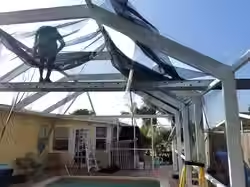
Tears in your pool screens are the most noticeable problem. Even small rips can let insects and debris inside, ruining your outdoor experience. If you find multiple tears or one large tear, it is definitely time for rescreening. For example, a recent survey indicated that 70% of homeowners experienced increased insect presence due to screen damage.
2. Discoloration and Fading
Over time, UV rays from the sun can fade the screens. If your screens have turned from vibrant colors to dull shades, this is a sign that they are deteriorating. A concrete example can be seen in fiberglass screens, which often lose 30% of their original color after just three years of exposure to sunlight.
3. Rust or Corrosion
Metal frames can develop rust, weakening them and the attached screens. If you see rust spots, it's important to take action. Rust not only affects the beauty of your enclosure but can also spread if not treated, leading to significant structural repairs.
4. Increased Insect Activity
Noticing more insects around your pool area? This increase often indicates small gaps or holes in the screens. A simple inspection of the screens can help identify these hidden problems. Studies show that homeowners with damaged screens saw a 50% rise in pest activity.
5. Structural Damage
Look beyond just the screens. Inspect the overall structure for sagging, bending, or any other issues. If the frame shows signs of damage, these must be prioritized before considering rescreening.
Screen Repair vs. Rescreening
Many homeowners debate whether to repair their screens or opt for total rescreening. Minor issues can be fixed, but if damage is extensive or there are multiple issues, a full rescreening might be the wiser choice.
When to Repair
For a small tear, repairs might save you money. However, if your screens are older, repairs might not last long. Nearly 40% of repaired screens need follow-up repairs within a year, which can end up costing more in the long run.
When to Rescreen
If you observe several tears, significant fading, or other extensive damage, rescreening is usually the best option. This approach ensures your enclosure looks great while effectively keeping out pests. Plus, when rescreening, you can choose more durable materials that could last longer.
Choosing the Right Rescreening Service
Selecting a quality service provider for rescreening is crucial. Find companies that specialize in this area, as they will better understand your needs. Check reviews and ask friends for recommendations to identify reliable services.
Factors to Consider
Experience: Choose a company with a solid background in pool enclosure rescreening.
Materials: Ask about their materials. Quality screens can last up to 20 years, while cheaper options may need replacement in as few as 5 years.
Warranty: A trustworthy company should offer a warranty on their work. This can give you peace of mind and ensure you won’t be stuck with unexpected repairs.
Maintenance Tips for Your Pool Enclosure
Once you’ve completed rescreening, regular upkeep is vital. Here are simple ways to keep your screens well-maintained:
1. Regular Inspections
Check your screens frequently for signs of wear, such as tears or rust. Catching issues early can save you from major repairs later on.
2. Clean the Screens
Washing your screens with mild soap and water can prevent dirt buildup. A clean screen not only looks good but also extends the life of the material.
3. Trim Surrounding Vegetation
Regularly trim back any plants or trees that meet your screen. Overhanging branches can cause damage, and fallen leaves can clog screens and lead to deterioration.
4. Address Issues Promptly
Take care of any signs of damage as soon as they appear. Whether it’s small tears or rust, quick action can save you from more costly repairs later on.
Final Thoughts
Recognizing when it’s time to rescreen your pool enclosure or lanai is crucial for maintaining your outdoor space. By being aware of the signs, you can ensure a comfortable and enjoyable environment. Whether you choose to repair minor issues or go for a complete rescreening, acting quickly will protect your investment and enhance your outdoor living experience.



Comments