
Understanding Pool Screen Repair Services

When it comes to enjoying your backyard pool, having a sturdy, well-maintained screen enclosure makes all the difference. It keeps bugs out, debris away, and lets you relax in peace. But what happens when your pool enclosure screen gets damaged? That’s where fixing pool enclosure screens becomes essential. I want to share what I’ve learned about this process, so you can keep your outdoor space safe, beautiful, and functional.
Why Fixing Pool Enclosure Screens Matters
A pool screen enclosure is more than just a barrier. It’s a protective shield that enhances your outdoor living experience. When screens tear or wear out, it’s not just an eyesore—it can lead to bigger problems like pest invasions or even structural damage.
Fixing pool enclosure screens promptly helps you:
Maintain privacy and security around your pool area.
Prevent insects, leaves, and other debris from entering.
Protect your pool equipment and water quality.
Extend the life of your pool enclosure frame.
Ignoring small tears or holes can quickly turn into costly repairs. I’ve seen how a simple fix early on saves a lot of hassle later. Plus, a clean, intact screen looks great and adds value to your home.

How to Identify When Your Pool Screen Needs Repair
Knowing when to repair your pool screen is key. Sometimes damage is obvious, like large holes or sagging panels. Other times, wear and tear might be subtle but still important to address.
Here are some signs to watch for:
Visible tears or holes: Even small rips let bugs in.
Loose or sagging screens: Indicates the screen is no longer tight and secure.
Frame damage: Bent or rusted frames can affect screen tension.
Discoloration or brittleness: Sun exposure can weaken screen material over time.
Increased insect presence: If bugs are getting in more often, your screen might have gaps.
If you notice any of these, it’s time to consider repair. I recommend checking your pool enclosure regularly, especially after storms or high winds, to catch issues early.
The Process of Fixing Pool Enclosure Screens
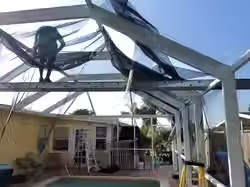
Fixing pool enclosure screens might seem complicated, but it’s a straightforward process when done right. Here’s what typically happens:
Assessment: A professional inspects the entire enclosure to identify damaged areas and frame issues.
Material selection: Depending on your needs, they choose the right screen mesh—standard, pet-resistant, or solar screen.
Screen removal: The damaged screen is carefully removed without harming the frame.
Frame repair: Any bent or rusted parts are fixed or replaced to ensure a solid base.
Screen installation: New screen material is stretched tightly and secured with spline (a rubber cord).
Final inspection: The enclosure is checked for tightness and durability.
This process restores your pool enclosure’s function and appearance. I’ve found that hiring experienced technicians ensures the job is done efficiently and lasts longer.

Choosing the Right Screen Material for Your Pool Enclosure
Not all pool screens are created equal. When fixing your enclosure, selecting the right screen material can improve durability and comfort.
Here are some common options:
Standard fiberglass screen: Affordable and effective for basic insect protection.
Pet-resistant screen: Thicker and stronger, ideal if you have pets that might scratch or chew.
Solar screen: Blocks more sunlight and heat, helping keep your pool area cooler.
Privacy screen: Offers limited visibility from outside while still allowing airflow.
Think about your lifestyle and environment. For example, if you live in a sunny part of Tampa Bay, a solar screen might be a smart choice. If you have dogs, pet-resistant screens prevent damage and save you money in the long run.
How to Maintain Your Pool Screen After Repair
Once your pool enclosure screen is fixed, keeping it in good shape is easier than you might think. Regular maintenance helps prevent future damage and extends the life of your investment.
Here are some tips I follow:
Clean the screen gently: Use a soft brush or hose to remove dirt and debris monthly.
Inspect for damage: Look for small tears or loose spline every few months.
Trim nearby trees and bushes: Prevent branches from scratching or puncturing the screen.
Avoid harsh chemicals: Use mild soap if needed, but avoid bleach or strong cleaners.
Schedule professional check-ups: A yearly inspection by experts can catch hidden issues early.
By staying proactive, you’ll enjoy your pool enclosure for years without major repairs.
Why Professional Pool Screen Repair Services Are Worth It
While some minor screen fixes might be DIY-friendly, I strongly recommend professional help for most repairs. Experts bring the right tools, materials, and experience to the job.
Here’s why professional pool screen repair services stand out:
Quality workmanship: Ensures screens are installed tightly and securely.
Proper frame repair: Prevents future sagging or damage.
Access to premium materials: Professionals offer a variety of screen types tailored to your needs.
Time and hassle saved: Repairs are done quickly and correctly the first time.
Warranty and peace of mind: Many services provide guarantees on their work.
Choosing a trusted local company means you get lasting quality and can fully enjoy your outdoor space without worry.
Enjoying Your Outdoor Space with Confidence
Fixing pool enclosure screens is about more than just repairs. It’s about protecting your investment and enhancing your lifestyle. When your pool area is secure and comfortable, you can relax, entertain, and make the most of your home.
I’ve learned that timely repairs, the right materials, and professional service make all the difference. If you want your pool enclosure to look great and function perfectly, don’t wait for small problems to grow.
Remember, a well-maintained pool screen enclosure is your ticket to peaceful, bug-free outdoor enjoyment all year round.



Comments